






No matter how efficient a terminal becomes, cargo only moves as fast as the trucks and trains that carry it away.
29 Likes 25 Comments
 Moves per hour is the metric everyone quotes, but real terminal performance depends on what happens before the crane ever touches a box.
Border agency backlogs do not stay at the border — they spill onto the quay, the yard and the gate, and ports are increasingly expected to help solve them.
While mega-ports grab the attention, smaller regional terminals are quietly rethinking their role in the supply chain — and finding new ways to stay relevant.
Automation and digital systems are changing what it means to work at a port, and the industry is only beginning to grapple with the skills gap that follows.
Moves per hour is the metric everyone quotes, but real terminal performance depends on what happens before the crane ever touches a box.
Border agency backlogs do not stay at the border — they spill onto the quay, the yard and the gate, and ports are increasingly expected to help solve them.
While mega-ports grab the attention, smaller regional terminals are quietly rethinking their role in the supply chain — and finding new ways to stay relevant.
Automation and digital systems are changing what it means to work at a port, and the industry is only beginning to grapple with the skills gap that follows.


 Read More
17 Sep 2026
No matter how efficient a terminal becomes, cargo only moves as fast as the trucks and trains that carry it away.
8 13
 Read More
11 Sep 2026
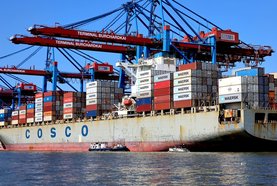
Automated terminals have been operating for decades, and the lessons from those projects are more nuanced than either supporters or critics admit.
8 13
 Read More
29 Aug 2026
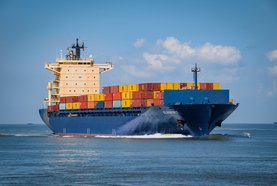
As carriers revisit slower sailing speeds to cut fuel costs and emissions, ports and their customers are feeling the ripple effects on schedules and berth planning.
8 13
 Read More
10 Sep 2026
Moves per hour is the metric everyone quotes, but real terminal performance depends on what happens before the crane ever touches a box.
8 13
 Read More
17 Sep 2026
Border agency backlogs do not stay at the border — they spill onto the quay, the yard and the gate, and ports are increasingly expected to help solve them.
8 13
 Read More
03 Oct 2026
While mega-ports grab the attention, smaller regional terminals are quietly rethinking their role in the supply chain — and finding new ways to stay relevant.
8 13
 Read More
18 Sep 2026
Automation and digital systems are changing what it means to work at a port, and the industry is only beginning to grapple with the skills gap that follows.
8 13
 Read More
27 Sep 2026
Every few years, headlines announce a port congestion crisis as if it were a surprise, but the underlying causes are remarkably consistent and largely structural.
8 13
 Read More
29 Aug 2026
Port community systems rarely make headlines, but they are quietly reshaping how cargo, documents, and money move through ports.
8 13
 Read More
27 Aug 2026
Green shipping corridors are moving from concept to concrete projects, and ports that engage early are shaping the rules of the game.
8 13



24 Sep 2026

No matter how efficient a terminal becomes, cargo only moves as fast as the trucks and trains that carry it away.
29 Likes 25 Comments
29 Sep 2026
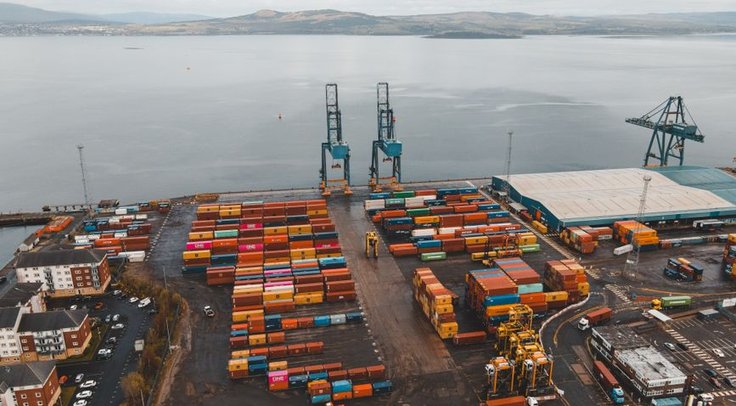
Automated terminals have been operating for decades, and the lessons from those projects are more nuanced than either supporters or critics admit.
29 Likes 25 Comments

30 Sep 2026
As carriers revisit slower sailing speeds to cut fuel costs and emissions, ports and their customers are feeling the ripple effects on schedules and berth planning.
29 Likes 25 Comments

Sep 12, 2026
Moves per hour is the metric everyone quotes, but real terminal performance depends on what happens before the crane ever touches a box.
29 Likes 25 Comments

Sep 9, 2026
Border agency backlogs do not stay at the border — they spill onto the quay, the yard and the gate, and ports are increasingly expected to help solve them.
29 Likes 25 Comments