
 Moves per hour is the metric everyone quotes, but real terminal performance depends on what happens before the crane ever touches a box.
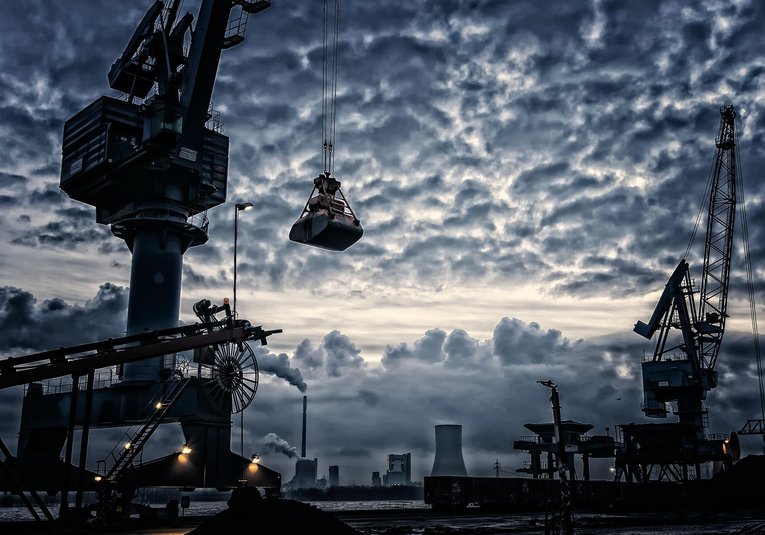
Why Port Congestion Keeps Coming Back: The Structural Forces Behind the Headlines
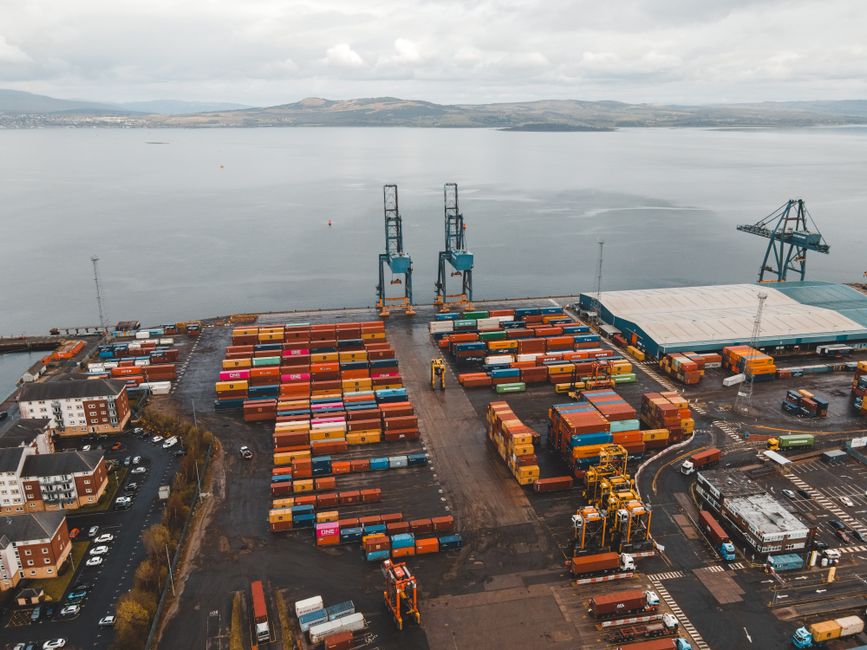
When a major container port backs up, the story usually follows a predictable arc: terminal dwell times climb, truckers wait in long queues at the gates, rail ramps fill up, and within weeks the disruption ripples through supply chains thousands of miles inland. Each event feels like a fresh crisis, but the forces that produce it are rarely new. Port congestion is less an anomaly than a recurring symptom of how capacity, demand, and landside infrastructure interact under stress.
At the heart of the problem is the fact that ports sit at the intersection of several systems that do not scale at the same speed. Berth capacity can be added with cranes and quay length. Yard capacity depends on land, which is scarce and expensive near city centers. Gate and road capacity depends on public infrastructure that a port authority may not control. Rail capacity depends on freight railroads with their own investment priorities. When vessel sizes grow faster than any of these landside links, the terminal becomes a buffer for imbalances it did not create.
The Peaking Problem
Container shipping is a schedule-driven business, and schedules tend to cluster. Carriers want to arrive at the start of the week to catch distribution networks, and alliance services often bunch vessels into the same arrival windows. That means a terminal can be comfortably utilized on paper yet overwhelmed in practice, because utilization averaged over a month says little about what happens on a Tuesday morning when three large vessels discharge simultaneously.
This peaking behavior is amplified by transshipment hubs, where cargo is discharged and reloaded rather than entering the local market. A hub terminal handles far more moves per berth than an import gateway, and any delay in one feeder connection cascades into yard congestion. Empty container repositioning adds another layer: ports often store thousands of empty boxes waiting for export demand or repositioning instructions, consuming yard space that would otherwise absorb peak flows.
Labor availability, customs processing speed, and chassis supply all interact with these peaks. A shortage of drayage drivers does not create congestion by itself, but it lengthens the time containers sit on the terminal, which reduces effective yard capacity, which slows vessel operations, which pushes the next arrival into an even tighter window. The system has many feedback loops, and most of them are reinforcing rather than balancing.
What Actually Helps
Ports that manage congestion best tend to focus on visibility and coordination rather than silver bullets. Sharing real-time vessel arrival data with trucking companies, rail operators, and cargo owners lets each party adjust before queues form. Appointment systems for gate transactions, when designed with trucker input rather than imposed on them, smooth arrivals across the day. Off-dock container yards and inland depots can absorb overflow, though they only work if the economics of moving boxes twice make sense for the parties involved.
Longer-term fixes are harder. They involve land acquisition, road and rail projects, and labor agreements that take years to negotiate. In the meantime, the industry will keep cycling through congestion episodes, and the ports that weather them best will be those that treat congestion as a systems problem rather than a terminal problem. The next headline is probably already being written, but the ports that plan for peaks, not averages, will earn fewer of them.