
 Automation and digital systems are changing what it means to work at a port, and the industry is only beginning to grapple with the skills gap that follows.
Automation at the Terminal: What the Evidence Actually Shows
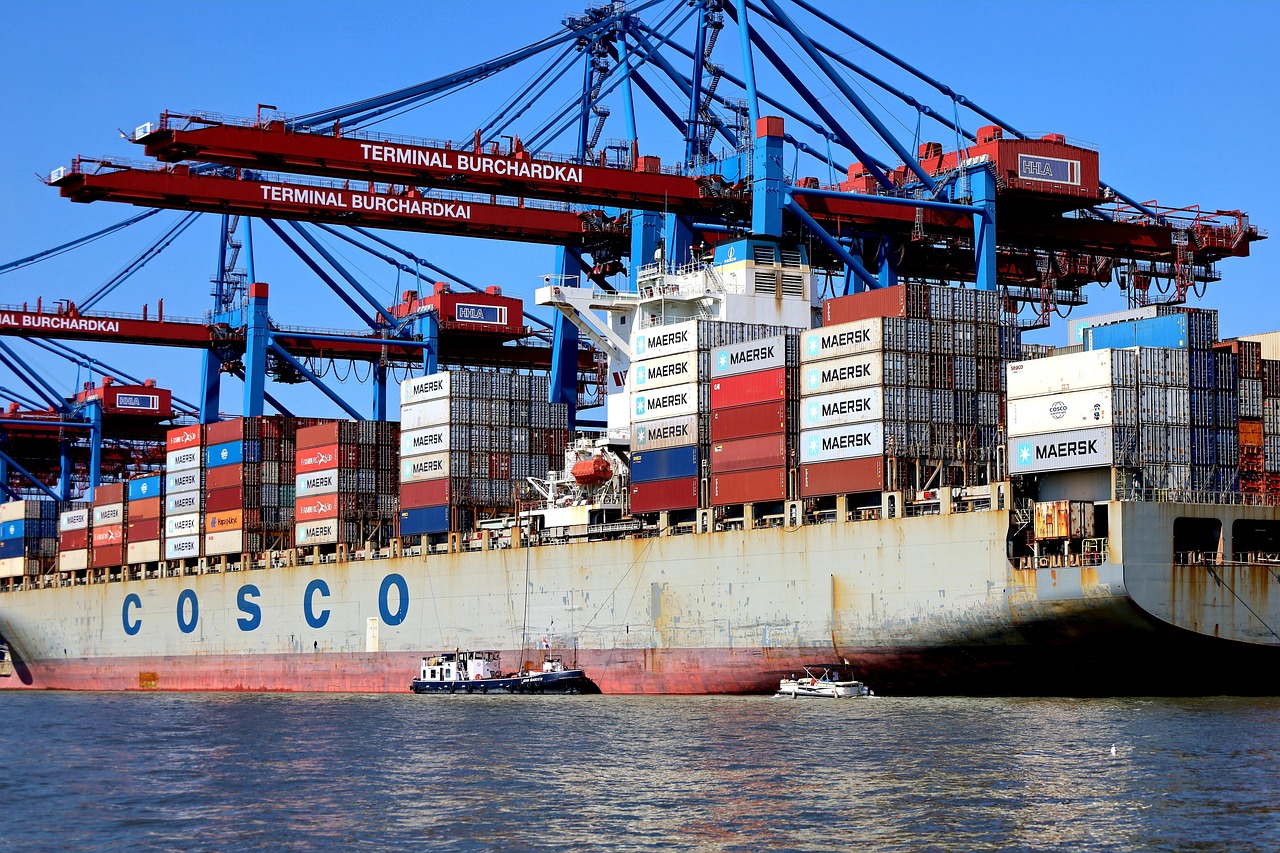
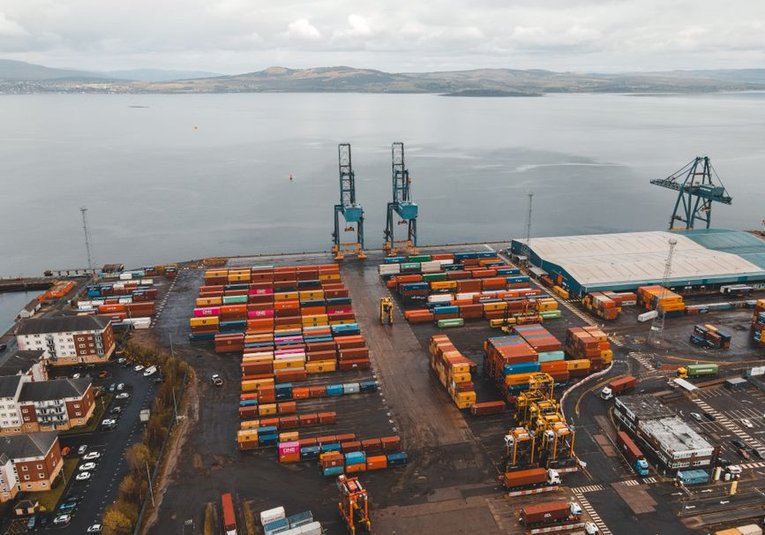
Few topics in maritime logistics generate as much debate as terminal automation. Supporters point to consistent productivity, safety gains, and the ability to run equipment around the clock. Critics point to high capital costs, rigid operations, and the social consequences for the workforce. After decades of automated terminal operations in various parts of the world, there is enough evidence to move beyond slogans and look at what automation actually delivers.
The first fully automated container terminals opened in the 1990s, and since then a range of models have emerged. Some terminals automate nearly everything, from ship-to-shore cranes to horizontal transport to stacking. Others automate selected functions, such as yard cranes or gate operations, while keeping manual control elsewhere. The results vary widely, and the variation is instructive.
Where Automation Excels
Automation tends to perform best in predictable, repetitive tasks. Automated stacking cranes can move containers in consistent cycles without fatigue, and they can operate in dense yards where manual equipment would struggle for space. Automated guided vehicles, where deployed, reduce labor costs and eliminate a category of accidents. Gate automation, using optical character recognition and appointment systems, has become standard in many ports because it reduces transaction times and improves data accuracy.
Safety is a genuine benefit. Yards with automated equipment have fewer people walking among moving machines, and the machines themselves can be programmed to respect strict separation zones. For ports in labor markets where recruiting equipment operators is difficult, automation can also address workforce shortages that would otherwise limit throughput.
The productivity picture is more complicated. Automated terminals can achieve high moves per hour per crane, but they also require significant upfront investment and ongoing maintenance. The economics depend on labor costs, land values, and the mix of cargo. A terminal handling mostly transshipment containers with predictable flows may benefit more than a terminal handling complex import cargo with varied documentation and customer requirements.
Where Automation Struggles
Automation is less effective when conditions are unpredictable. Mixed cargo, frequent exceptions, and changing customer demands require judgment that automated systems handle poorly. Automated terminals often have less flexibility to handle surges or unusual situations, and recovery from disruption can be slower because human operators are not on hand to improvise.
The workforce dimension is significant and cannot be dismissed as a public relations problem. Automation changes the skills required and the number of people needed for certain roles. Ports that have managed the transition best typically engaged unions early, negotiated retraining and redeployment agreements, and were transparent about their plans. Ports that imposed automation without those conversations have faced disputes that delayed projects and damaged trust.
Technology is also evolving. Remote-controlled equipment, which keeps humans in the loop but moves them to a control room, offers a middle path that captures some automation benefits while preserving flexibility. Machine learning and computer vision are improving the ability of automated systems to handle exceptions. The line between automated and manual is blurring.
For port planners, the lesson is that automation is a tool, not a strategy. The right level of automation depends on the terminal's cargo mix, labor context, and competitive position. The ports that get it right tend to be those that pilot carefully, measure honestly, and treat their workforce as partners rather than obstacles. The debate will continue, but the evidence suggests that the most successful terminals will blend automation and human skill rather than choosing one over the other.