
 No matter how efficient a terminal becomes, cargo only moves as fast as the trucks and trains that carry it away.

Slow Steaming Is Back: What It Means for Ports, Shippers and Scheduling
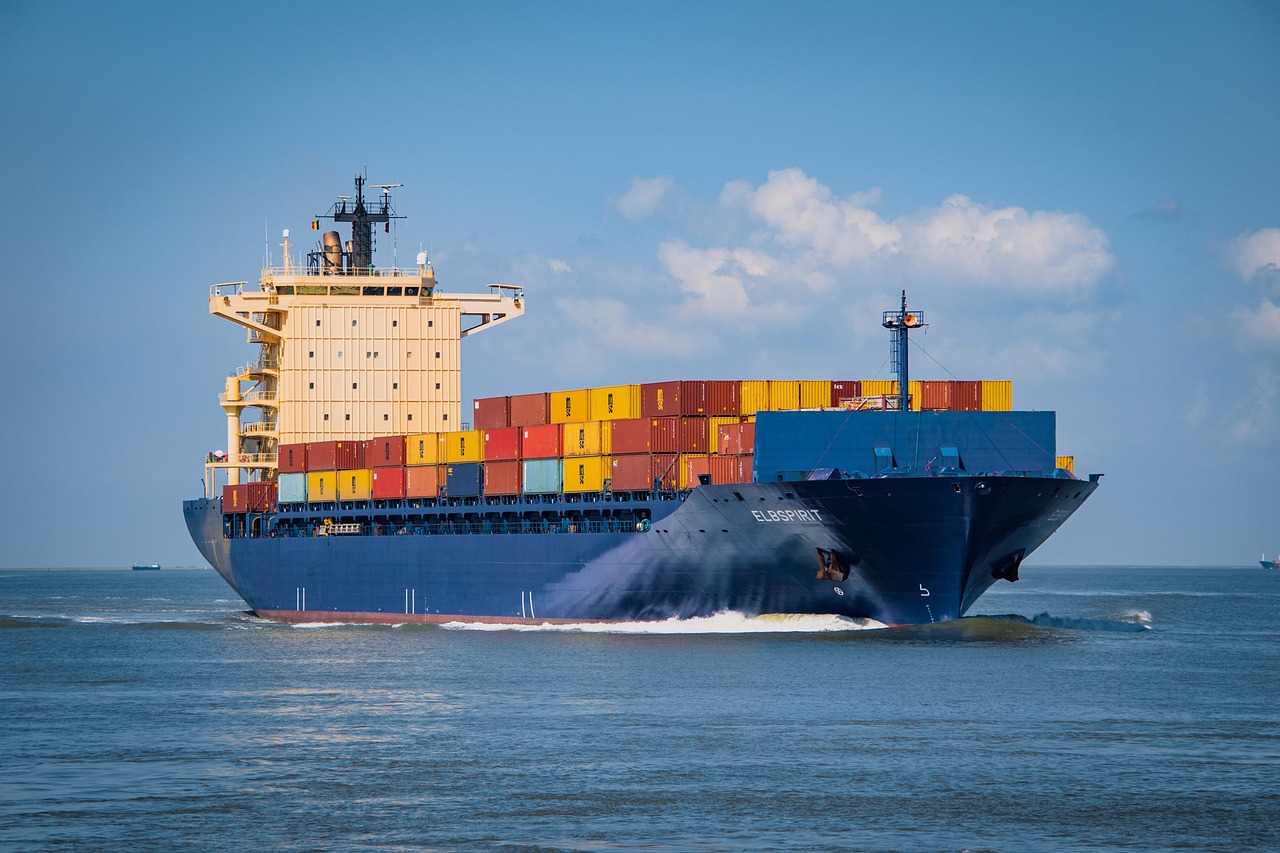
Slow steaming is one of those ideas that never really disappears from the maritime industry. It resurfaces whenever fuel prices climb, emissions rules tighten, or carriers find themselves with too much capacity on their hands. The logic is straightforward: ships burn dramatically less fuel per nautical mile at lower speeds, which cuts both costs and carbon emissions. The trade-off is equally straightforward — cargo takes longer to arrive, and schedules that were built around faster transits have to be rebuilt.
What makes the current interest in slow steaming different is that it is arriving alongside a broader rethink of network design. Carriers are not simply dialing down speed on the same routes. Many are restructuring services, adding buffer time, and consolidating port calls. For ports, that means fewer but potentially larger calls on some lanes, and more pressure to turn vessels quickly once they do arrive.
Why Ports Cannot Ignore Vessel Speed
Vessel speed might sound like a shipowner's problem, but it lands squarely on the quay. When a service adds two or three days to a rotation, the port windows shift. Berth planning teams that rely on predictable arrival times suddenly find themselves managing wider variances. A vessel that used to arrive at a consistent hour may now show up at any point in a twelve-hour window, depending on how the carrier has built in recovery time.
There is also the question of cargo dwell time and inland connections. If a ship arrives later in the week, the trucking and rail capacity that was reserved for it may already be committed elsewhere. Shippers who built their distribution schedules around a fixed port rotation find themselves recalculating, and some respond by shifting volume to ports with more frequent or more reliable services.
On the positive side, slower and more predictable vessel flows can help ports smooth out peaks. If carriers use slow steaming as a tool to absorb schedule slack rather than just to save fuel, arrivals become less bunched. That reduces the dreaded surge where three vessels compete for the same cranes, trucks and yard space. But this only works if ports and carriers actually share schedule data in a timely way, which is still not the norm in many trade lanes.
The Emissions Arithmetic and Its Limits
Regulators and customers alike are pushing shipping toward lower carbon intensity, and speed reduction is one of the few levers that works immediately without new fuel infrastructure. A modest reduction in speed can produce a meaningful drop in fuel burn per container carried. That is why slow steaming keeps appearing in decarbonization discussions, even as alternative fuels dominate the headlines.
Yet slow steaming is not a free lunch. Longer transit times tie up inventory, which has a real cost for shippers of high-value or time-sensitive goods. Some cargo will shift to air freight or to faster, more expensive services. Carriers also need more vessels to maintain weekly frequency on a given route, which raises capital costs and can push rates up. And from a port perspective, slower speeds do not automatically mean greener operations if the time saved at sea is burned up waiting at anchor.
The practical takeaway for port professionals is to treat vessel speed as a planning variable, not a fixed assumption. Berth allocation models, yard planning and inland coordination all need to flex with carrier decisions that can change by season. Ports that can respond quickly to schedule shifts — and that give carriers and shippers honest visibility into their capacity — will be the ones that keep their customers through the next round of slow steaming.