 Moves per hour is the metric everyone quotes, but real terminal performance depends on what happens before the crane ever touches a box.


The Real Difference Between a Lucky Streak and a Winning Strategy
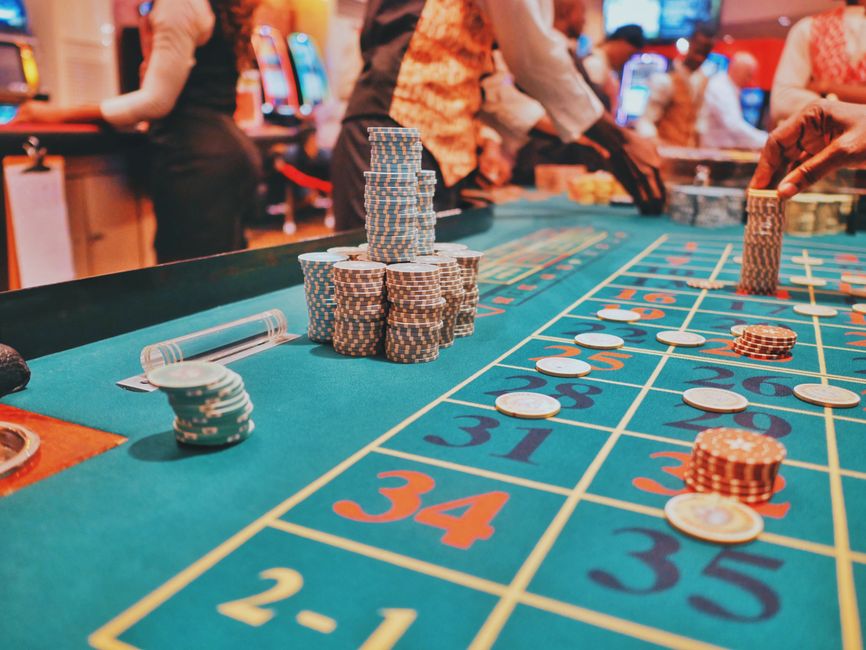
Every gambler remembers their first big win. Mine came on a rainy Tuesday at a brick-and-mortar casino in Manchester, playing a three-reel slot machine that looked like it had been built during the Cold War. I put in £20, hit a triple seven, and walked away with £800. For about a week, I genuinely believed I had cracked the code. I hadn't. I was just lucky, and luck is a terrible business partner. The sooner you understand that distinction, the better your relationship with iGaming becomes — whether you're spinning slots, grinding poker tables, or betting on football at 3 a.m.
This isn't going to be a lecture about quitting. It's also not going to pretend that online casinos are all sunshine and free money. It's a practical look at how modern iGaming actually works, where the real edges hide, and how to play in a way that doesn't make you feel like a sucker six months down the line.
House Edge Is Not an Opinion, It's Arithmetic
Let's start with the boring stuff that most players skip, because it's the stuff that determines whether you win or lose over time. Every game in a casino, online or off, has a built-in mathematical advantage for the house. This is called the house edge, and it's not negotiable.
- European roulette: 2.7% house edge (one zero).
- American roulette: 5.26% house edge (zero and double zero).
- Blackjack with basic strategy: roughly 0.5% — the best odds on the floor.
- Slot machines: anywhere from 2% to 15%, depending on the game and the operator.
- Online poker cash games: the house takes a rake, typically 2.5% to 5% of the pot.
Notice the pattern? The longer you play, the more that edge grinds against you. A 2.7% edge means that for every £100 you cycle through European roulette, you're mathematically expected to lose £2.70. That sounds small until you realise a serious player can cycle thousands of pounds in a single evening. The house doesn't need to win every hand. It just needs enough hands.
Why Slots Are the Most Misunderstood Game in iGaming
Slots get dismissed as mindless button-mashing, but they're actually the most transparent games in the building — if you know what to look for. Modern video slots publish their Return to Player (RTP) percentage, usually between 94% and 97%. A 96% RTP slot returns £96 for every £100 wagered over millions of spins. The remaining 4% is the house's cut.
Here's where players go wrong. They assume high RTP means frequent wins. It doesn't. RTP is a long-term average, and volatility decides how those wins arrive. A high-volatility slot like Book of Dead might pay nothing for fifty spins and then drop a 5,000x multiplier. A low-volatility slot like Starburst pays small amounts constantly. Neither is better — they just suit different temperaments and bankrolls.
Practical tip: if you have a £50 bankroll, stay away from high-volatility games unless you're treating the money as entertainment spend. If you want session longevity, bonus-heavy low-volatility slots will keep you spinning longer for the same money.
Poker Is the Only Game Where You Can Actually Have an Edge
Here's the uncomfortable truth that casino operators know and poker players embrace: poker is not a game against the house. It's a game against other players, and the house just takes a small rake for hosting. That means skill is real, and it compounds.
I've watched average players lose thousands because they played every hand. I've also watched disciplined players grind £2/£5 no-limit tables and turn a consistent profit over years. The difference is not intelligence. It's patience, position awareness, and bankroll management. Readers looking for specifics may like dana slot.
- Track every session in a spreadsheet — buy-in, cash-out, hours played.
- Avoid tables where you don't understand the dynamic within fifteen minutes.
- Never play more than 5% of your bankroll in a single cash game buy-in.
- Study ranges, not just your own cards.
Poker rewards the player who folds 70% of hands and punishes the one who calls out of curiosity. The old line is true: you can't win a tournament in the first hour, but you can absolutely lose it.
Sports Betting: Where Emotion Costs You Money
If slots are pure chance and poker is pure skill, sports betting sits somewhere in the middle — and it's the category most likely to make you feel smarter than you are. Betting on your favourite team feels rational because you know the sport. But knowing a team and pricing a market are two different things.
Bookmakers employ traders who set lines based on millions of data points. When you see Manchester City at 1.50 to win, that price already reflects injuries, form, weather, and public money. Finding value means disagreeing with the market confidently and being right more often than not. Most bettors aren't.
- Chasing losses by doubling your stake is the fastest way to zero.
- Accumulators look exciting but multiply the house edge with every leg.
- Value betting on niche markets — corners, cards, player stats — is where sharp players actually operate.
The single most useful habit for a sports bettor is a staking plan. Flat stakes, or fractional Kelly, will keep you alive long enough to actually test whether your picks have an edge. Without a plan, you're just donating.
The Technology Behind Online Casinos Has Changed Everything
Ten years ago, online gambling meant clunky Java applets and slow payouts. Today, the infrastructure is genuinely impressive. Random Number Generators are audited by independent labs like eCOGRA and iTech Labs. Live dealer studios stream real croupiers in 4K from Malta, Latvia, and the Philippines. Crypto casinos let players deposit and withdraw in minutes — though they come with their own risks around regulation and recourse.
This matters because transparency has improved dramatically. Regulated operators in the UK, Malta, Sweden, and Spain must publish RTPs, adhere to deposit limits, and offer self-exclusion tools. GamStop in the UK lets players block themselves from every licensed site in one click. These aren't gimmicks — they're practical tools that separate a hobby from a problem.
One concrete piece of advice: set deposit limits before you play, not during. Every regulated platform lets you do this in the account settings. A £100 monthly limit set while you're calm beats a £500 decision made at midnight after a bad beat.
The Conclusion That Actually Matters
There's no secret formula that turns a negative expectation game into a positive one. Anyone selling that is lying. But there is a massive difference between playing randomly and playing deliberately. Understanding house edge changes which games you choose. Understanding volatility changes how long your bankroll lasts. Understanding that poker is a skill game changes how you invest your time. And understanding that betting is a market, not a prediction contest, changes how you size your stakes.
The players who enjoy iGaming for years — and I've met plenty — treat it the same way they treat whisky, golf, or collecting records. They spend money they've set aside, they know their limits, and they get real pleasure from the craft. The rest? They're chasing a triple seven that already happened on a rainy Tuesday and won't come back on demand. Play the game. Don't let the game play you.